Since the onset of the COVID-19 pandemic, healthcare workers in conflict zones and peaceful countries alike have faced countless challenges, including shortages of protective equipment and insufficient protocol to treat the new virus. Some doctors, nurses, ambulance drivers and other healthcare professionals have experienced stigmatization within their own communities, triggered by an intense anguish and an often-disproportionate fear of infection. As a result, not only are those affected by COVID-19 blamed as ‘plague spreaders’, but the healthcare staff providing for them also face discrimination.In this post, ICRC Health Care in Danger delegate Paola Forgione reflects on the role that society plays in either supporting or stigmatizing people affected by the virus and healthcare workers, based on her professional research as well as her own personal and recent experience as a COVID-19 patient
Please, don’t tell anyone!’: healthcare stigma in the COVID-19 era
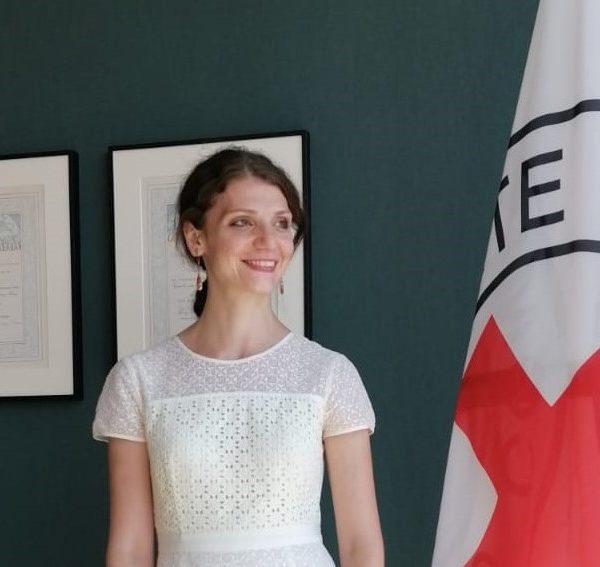 Paola Forgione has worked with the ICRC for six years, carrying out missions in Ivory Coast, Zimbabwe, El Salvador, the Gaza Strip and France, before joining the Healthcare in Danger team at the ICRC Headquarters in Geneva in July 2019. Since the pandemic outbreak, she has been researching the new trends of violence against healthcare triggered by the COVID-19 crisis. She holds a PhD in International Justice and Human Rights from the University of Pavia in Italy.
ICRC: From February to December 2020, 848 incidents of violence against health care were gathered from 42 ICRC delegations.

Among the incidents of violence perpetrated against a person, 72% of incidents targeted health care personnel, 21% targeted the wounded and the sick (including patients suspected of COVID-19 and seeking care), and in a small proportion IDPs or Refugees (3%) were the people affected, among others.
When the incident involved an object, 49% targeted a facility (41% a health facility and 8% a quarantine/isolation facility), and 43% targeted a medical transport (includes ambulances and vehicles transporting medical supplies), among others. In overall, 39% of the incidents were perpetrated by the community or civilians, 21% by the patients or their relatives, 20% a State Authority and 11% health authorities such as hospital administrators and health personnel. Armed groups accounted for 6% of the incidents reported.
The ICRC has been carrying out continuous efforts to support healthcare workers around the globe, offering free guidance to a C-19 response free from violence. More than 1 million health workers have been sensitized through videos in social media, and the Checklist for a Safer C-19 response has been downloaded by over 6,000 health workers. (see above section)
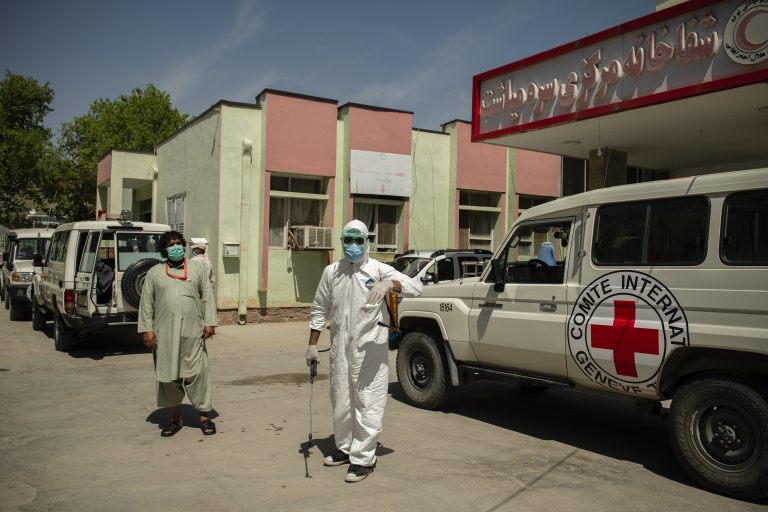
- In Afghanistan, the main COVID-19 isolation centre closed for a half day due to a physical altercation between relatives of a patient who died and health personnel.
- In Bangladesh, bricks were thrown at the house of a doctor after he tested positive for COVID-19 in a bid to force him and his family from the area.
- In the Central African Republic, relatives of a deceased person physically assaulted health personnel as they were frustrated by not being able to retrieve the body due to COVID-19 restrictions.
- In Colombia, residents obstructed ambulances from entering their town to screen for COVID-19 cases and reviewed confidential medical charts and the names of staff and patients.
- In Pakistan, doctors at a hospital were verbally and physically attacked after a patient died of COVID-19. Relatives entered a high-risk area while shouting that coronavirus was a hoax.
- Among the incidents against a person, 67 per cent targeted health care personnel, 22.5 per cent targeted the wounded and sick (including suspected patients), and 5 per cent were aimed at IDPs or refugees.
-
In the Philippines, a health worker and his sons were forced to leave home after being harassed, discriminated and cut off from electricity by neighbours
ICRC: 600 violent incidents recorded against health care providers, patients due to COVID-19
We acknowledge Source link for the information.